









Beyond the Game: How Sport, Technology and Tourism Are Creating New Opportunities
Sporting events are no longer just about competition. They are becoming meeting points for innovation, business and travel, opening new possibilities for cities, sports organisations and the wider tourism industry.

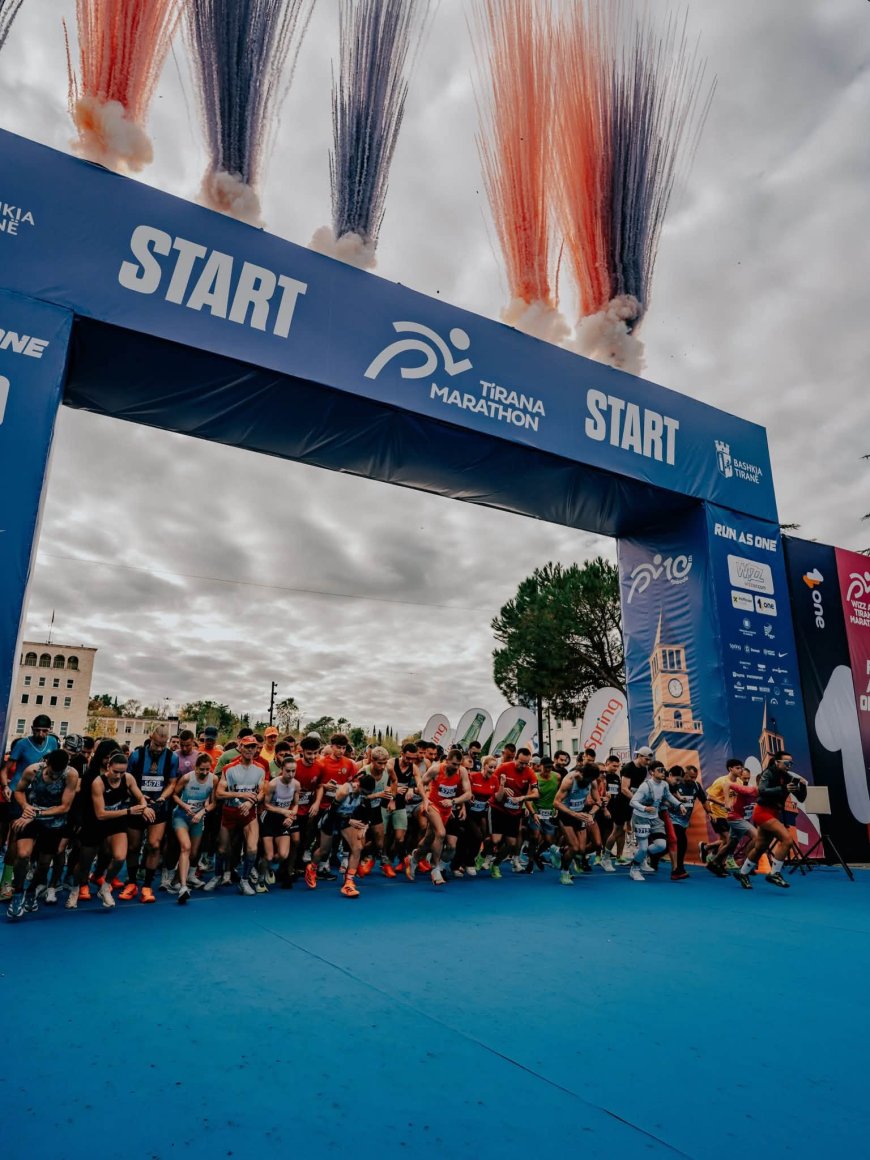
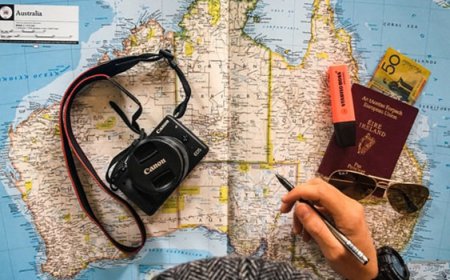
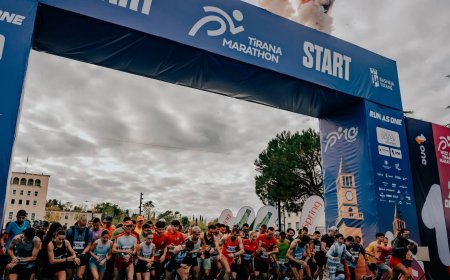
Think about the last time a major sporting event brought a city to life. The crowded cafés before a match, the hotels welcoming visiting teams, the runners discovering unfamiliar streets during a marathon, or the families who turned a weekend tournament into a short holiday.
Much of the value of sport happens beyond the field of play.
For years, tourism has benefited from the movement of athletes and spectators across borders. What is changing today is the way cities, sports organisations and technology companies are beginning to approach these opportunities. Sporting events are increasingly seen not as isolated occasions, but as part of a much larger ecosystem involving hospitality, urban development, digital innovation and international business.
And this raises an interesting question: are we making the most of what sport can offer beyond competition?
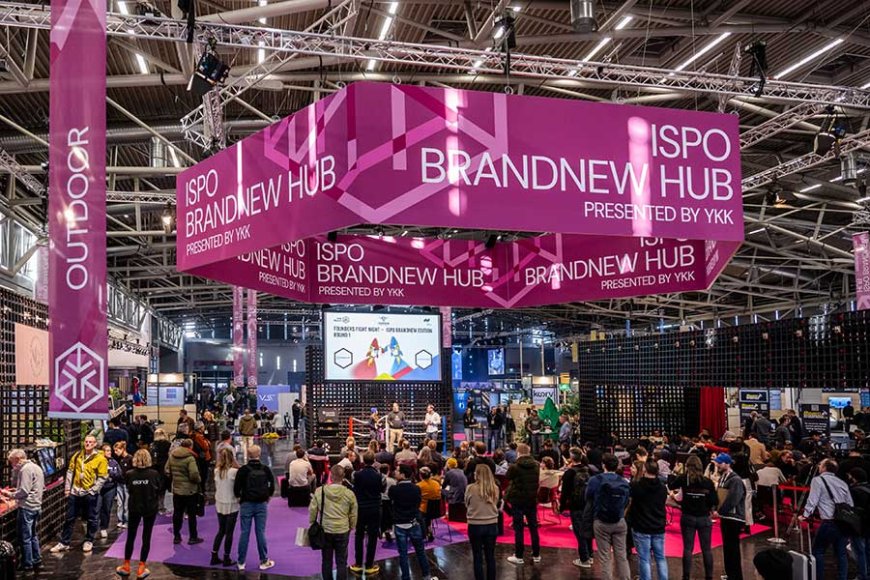
A sporting event is also a destination experience
Consider a youth tennis tournament. On the court, the focus is naturally on performance, rankings and results. Outside the court, however, a different economic activity is taking place. Players travel with coaches and families. Hotels receive bookings, restaurants welcome new customers, and visitors discover places they might never have considered otherwise.
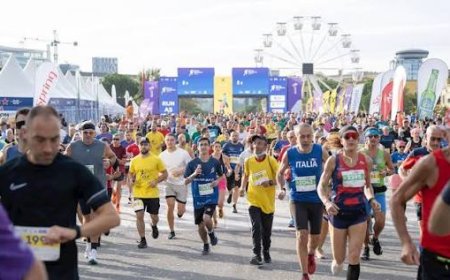
The same applies to marathons, cycling races, football tournaments and international championships.
For destinations, the opportunity is not simply to attract more visitors during an event. It is to give those visitors reasons to stay longer, explore the surrounding region and perhaps return.
Cities such as Munich, Barcelona and London have long understood the value of connecting sport with their international identity. Their sporting infrastructure, major competitions and wider visitor experiences contribute to how these destinations are perceived around the world.
Smaller cities and emerging destinations may not have the same resources, but they can develop their own approach, particularly through grassroots sport, youth competitions and outdoor activities.

Where technology enters the picture
Technology is already changing how sport is organised, managed and experienced.
Much of the conversation focuses on athlete performance, artificial intelligence, wearable devices and data analytics. These are important developments, but their implications extend well beyond professional training.
For sports organisations, digital tools can improve communication with members, simplify event management, strengthen relationships with sponsors and create new ways of engaging audiences.
For visitors, technology can make the experience more accessible, from discovering an event and booking accommodation to navigating a venue or exploring a destination.
Imagine a sporting event where registration, travel information, local experiences and visitor services are connected through a single digital platform. The benefits would reach far beyond the organising committee.
Hotels could better anticipate demand. Local businesses could become part of the visitor experience. Event organisers could communicate more effectively with international participants, while destinations could gain a clearer understanding of the audiences they attract.
Of course, technology alone does not guarantee a better experience. The real challenge is identifying solutions that respond to practical needs rather than adopting innovation simply because it is new.
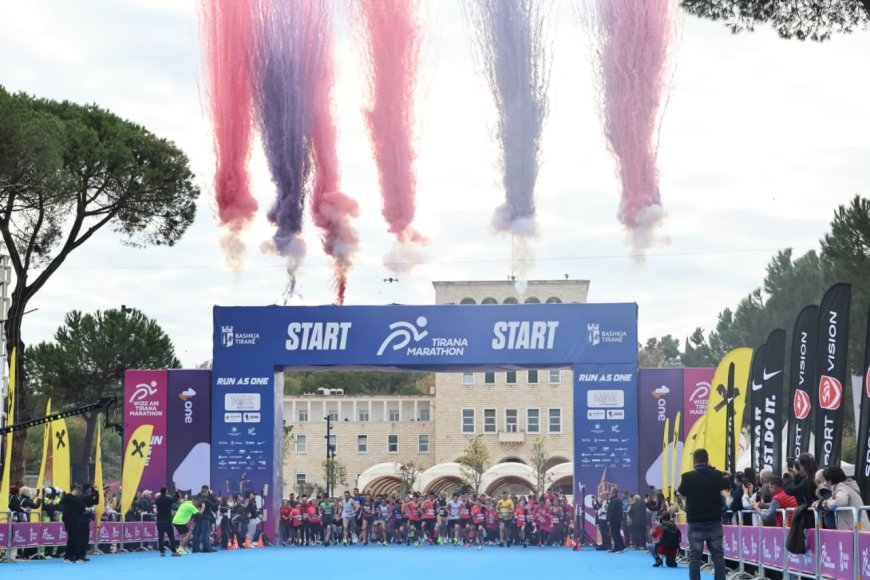
The opportunity for Albania
Looking at Albania, there is a strong case for developing a closer relationship between sport and tourism.
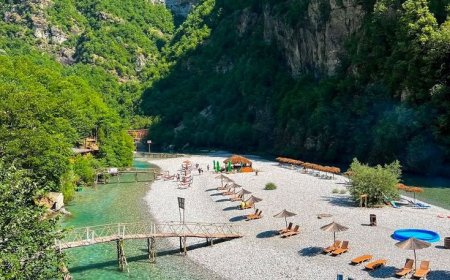
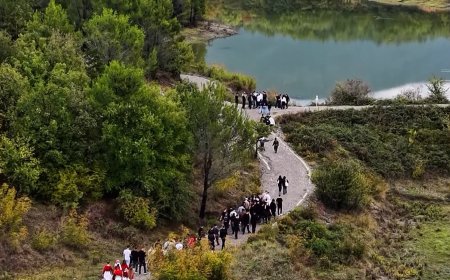
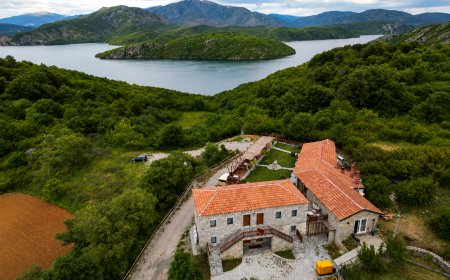
The country already offers a combination of coastal destinations, mountains, historic cities and a growing calendar of sporting activities. Marathons, cycling events, outdoor competitions and international youth tournaments all have the potential to attract visitors with interests beyond conventional leisure travel.
What remains less developed is the connection between these activities and the broader tourism offering.
A sporting event should not end at the finish line or with the final whistle. With better coordination, it could become part of a wider experience involving local accommodation, gastronomy, cultural attractions and regional travel.
This would require sports organisations, tourism businesses, municipalities and technology providers to work more closely together.
It would also require a change in perspective. Instead of treating sport exclusively as a competitive activity, we could begin to recognise its contribution to destination development, international visibility and local economic opportunities.
Bringing the right people together
One of the most interesting developments in the sports industry is the growing collaboration between organisations that would traditionally have operated in different sectors.
Sports clubs are engaging with technology startups. Investors are exploring new business models in sport. Cities are reconsidering the role of sporting infrastructure, while event organisers are looking for ways to create value beyond ticket sales.
These conversations are becoming increasingly important.
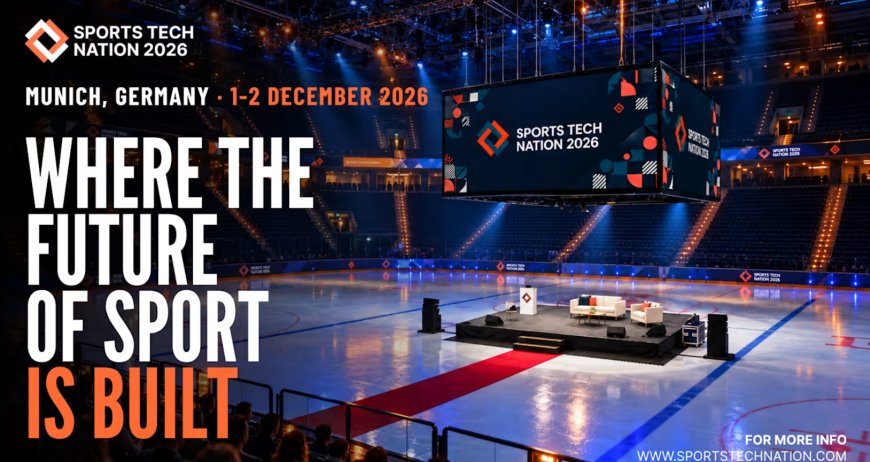
In this context, Sports Tech Nation 2026, taking place in Munich on 1–2 December, offers an opportunity to explore how technology, innovation and international collaboration are shaping the future of the sports industry.
For those working in sports management, such events are an opportunity to look beyond familiar practices, exchange experiences and understand how different organisations are responding to similar challenges.
They also raise questions that are particularly relevant to smaller sports markets: How can clubs adopt technology without losing sight of their core mission? How can innovation become accessible beyond elite sport? And how can international partnerships create opportunities for organisations that may not have the resources of Europe's largest clubs?
Looking beyond the final whistle
Perhaps the most important shift is not technological at all. It is a change in how we understand the role of sport.
A sporting event can bring people together, introduce visitors to a destination, support local businesses and create connections that continue long after the competition has ended.
Technology can help make those connections more effective, but it is the cooperation between people, organisations and industries that ultimately gives them value.
For tourism professionals, this means recognising sport as more than an additional source of visitors. For sports organisations, it means looking beyond competition and considering their wider contribution to the communities and destinations they represent.
And for emerging markets such as Albania, it means asking how existing sporting activities can become part of a more ambitious approach to international cooperation and destination development.
The opportunity is there. What matters now is how we choose to develop it!
©TravelBiz.al
What's Your Reaction?